


Professional Development for High-Exposure Systems
Stabilizing the People Who Stabilize Others.
Signature Flagship Trainings
These are the most-requested “anchors” and can be customized for any sector.

ResponderReady Clinician Certification
ResponderReady Clinician Certification is an advanced training pathway for licensed mental health professionals who want to competently and ethically serve first responders and other high-exposure professionals.
This program moves beyond general trauma training. It focuses on the unique cultural, relational, and operational realities of responder populations — including law enforcement, fire/EMS, dispatch, corrections, and justice professionals.
1, 3, or 36 Hour Options
Trauma-Wise Leadership Intensive
The Trauma-Wise Leadership Intensive is designed for executives, command staff, and senior leaders responsible for high-exposure workforces. This training moves beyond individual wellness conversations and addresses the organizational structures that influence psychological safety, retention, and long-term performance.
Participants examine:
Psychological risk indicators within their organization
Cumulative trauma and exposure stacking at the systems level
Early warning signs of burnout, moral injury, and suicide risk
Leadership communication patterns that either increase or decrease stigma
Policy gaps related to peer support, documentation, and referral pathways
Retention strategies grounded in mental health infrastructure
This is not a wellness seminar. It is a strategic working session.
6 Hour or 2 Day
Peer Support Infrastructure Workshop
Designed for agencies in the early or transitional stages of peer team development. This workshop focuses on structure, scope, policy, and operational clarity — not crisis intervention technique.
This is appropriate for departments who:
Are exploring starting a peer team
Have sent staff to CISM or peer trainings but lack structure
Have a peer team in name only
Are unclear about scope, documentation, and liability
Want leadership alignment before launch
6 Hour Or 2 Day
Training Menu By Population
-

Dispatch (911 / Communications)
Operational performance & crisis communication
CIT Alignment Training for Dispatch
Suicidal Caller Management
Regulation Behind the Console: Nervous System Skills
Cumulative exposure & retention
Vicarious Trauma in Dispatch
After the Call: Psychological Aftercare
Shift Work, Sleep, and Burnout
When the Dispatcher Knows the Victim
Leadership
Supervising a Traumatized Console Workforce
Retention & Culture in High-Turnover Centers
Building a Peer Team for Dispatch
-

Law Enforcement
Trauma & operational readiness
Trauma-Informed Policing
Officer Suicide Prevention & Early Warning Indicators
After the OIS: Psychological Impact
Compartmentalization vs. Emotional Shutdown
Moral Injury in Policing
Family & identity
Hypervigilance at Home
Marriage & Policing
Parenting Under Tactical Stress
Identity Collapse After Suspension/Termination
Retirement & Loss of Role
Leadership
Command-Level Mental Health Infrastructure
Policy & Liability: Psychological Safety in the Ranks
Designing Peer Support That Protects the Department
-
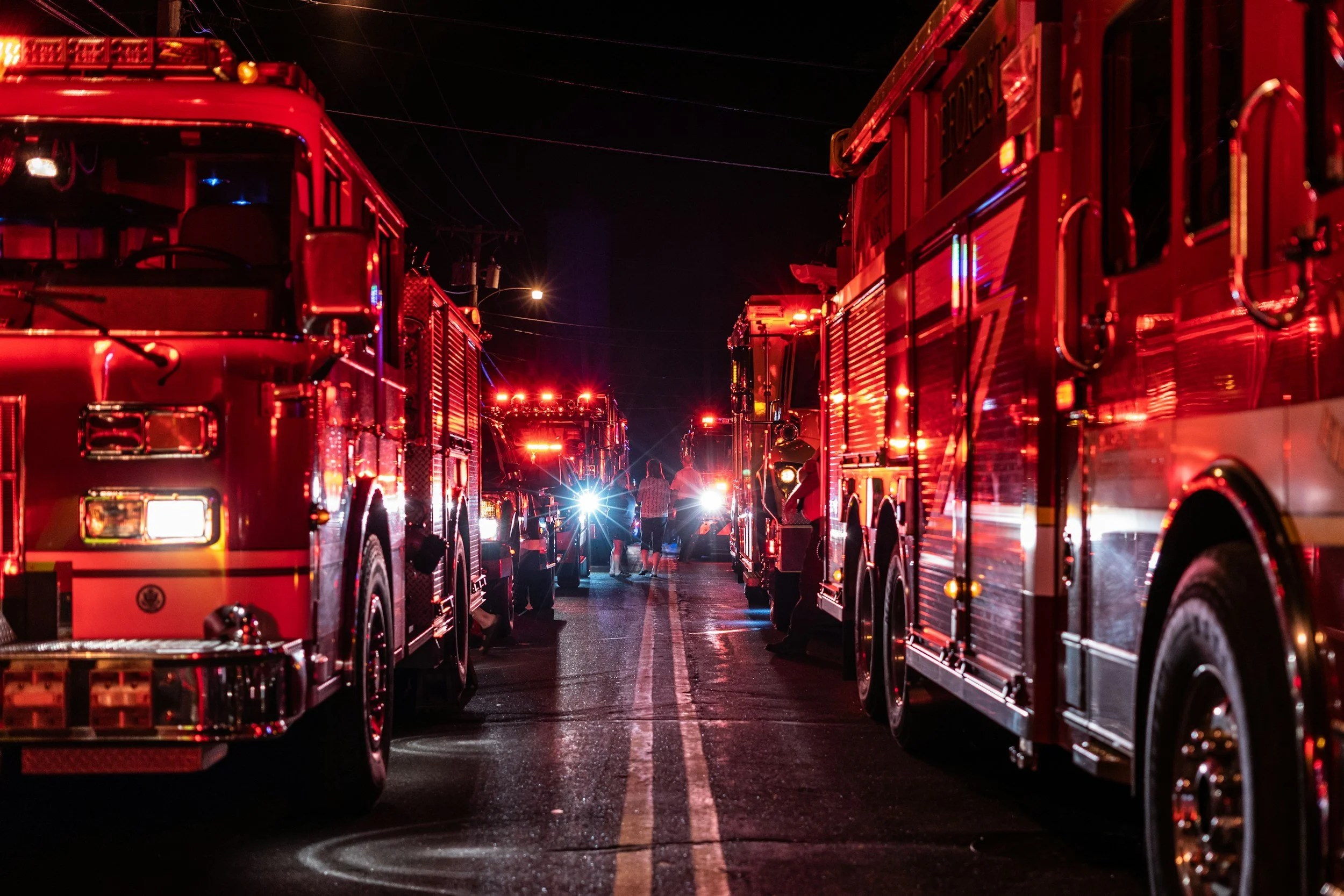
Fire & EMS
Exposure-based trauma
Cumulative Trauma in Fire/EMS
Pediatric Calls & Long-Term Impact
Mass Casualty Psychological Processing
Adrenaline Cycling & Off-Duty Crash
Moral Injury in EMS
Family & identity
Marriage Under Shift Work & Sleep Deprivation
Emotional Numbing & Parenting
The Uniform Off-Duty: Identity Spillover
Divorce, Conflict, and the “Station Brain” at Home
Retirement & Role Transition
Culture & stigma
“Suck It Up” Culture and Its Cost
Alcohol and Maladaptive Coping Patterns
Burnout vs. Depression in the Fire Service
Leadership
Captain/Officer Mental Health Awareness
Building Station-Level Peer Systems
Navigating Suicide in the Department
-

Corrections / Detention
Exposure & Environmental Trauma
Trauma Exposure in Custody Environments
Assault Exposure & Cumulative Stress
Working in Chronic Threat Environments
Hypervigilance & Nervous System Fatigue
Moral Injury & Ethical Strain
Moral Injury in Corrections
Use-of-Force Incidents & Psychological Impact
Manipulation vs. Trauma: Behavioral Interpretation
Role Conflict Between Custody & Care
Family & Identity
Hypervigilance at Home
Emotional Detachment & Relationship Strain
Parenting After High-Threat Shifts
Identity Spillover from Facility Culture
Retirement & Transition Out of Custody Work
Leadership & Retention
Burnout & Turnover in Corrections
Supervisor Response to Struggling Staff
Building Peer Support in Detention Settings
Policy & Liability in Correctional Mental Health
-

Justice Pathways (Public Defenders, Prosecutors, Judges, Court Staff)
Secondary trauma & exposure
Secondary Trauma in Public Defense
Prosecutor Burnout & Compassion Fatigue
Judicial Exposure to Violent Content
Ethical stress & moral injury
Moral Injury in the Justice System
High-Stakes Cases, Threats, and Public Pressure
“Doing the Job vs. Doing What’s Right”
Family spillover
Emotional Residue After Trials
Identity Overlap and Relationship Strain
Leadership
Retention in Public Defense Offices
Trauma-Informed Court Culture
Reflective Support Models for Legal Teams
-

Nurses & Physicians
Acute Exposure & Clinical Trauma
Code Blues & Emotional Aftercare
Pediatric Death & Moral Injury
ICU/ER Cumulative Exposure
Surgical Trauma Exposure
Workplace Violence in Healthcare
Moral Distress & Systems Pressure
Productivity Pressure vs. Patient Care
Administrative Burden & Identity Strain
Insurance Constraints & Ethical Distress
Malpractice Anxiety & Chronic Hypervigilance
Pandemic Residue & Workforce Collapse
Family & Identity
Shift Work & Parenting
Emotional Depletion at Home
Perfectionism & Self-Criticism
Identity Collapse Outside the Hospital
Retirement & Loss of Professional Role
Leadership & Workforce Stabilization
Psychological Safety on Units
Charge Nurse & Medical Director Mental Health Awareness
Retention Through Reflective Practice
Supporting Staff After Adverse Events
Designing Physician & Nursing Wellness Infrastructure
-

THERAPISTS & BEHAVIORAL HEALTH CLINICIANS
Vicarious Trauma & Clinical Exposure
Vicarious Trauma in Trauma-Focused Work
When a Client Dies by Suicide
High-Acuity Caseload Fatigue
Boundary Erosion in Helping Professions
Ethical Stress & Professional Identity
Productivity Demands vs. Clinical Integrity
Imposter Syndrome in High-Stakes Cases
Compassion Fatigue vs. Burnout
Moral Injury in Community Mental Health
Sustainability & Reflective Practice
Reflective Supervision Models
Peer Consultation Structure
Burnout Prevention in Private Practice
Emotional Regulation for Clinicians
Leadership & Organizational Health
Retention in Behavioral Health Systems
Preventing Clinician Turnover
Building Trauma-Informed Clinical Teams
Supporting Staff After Client Crisis
-

PUBLIC HEALTH
Secondary Trauma & Community Exposure
Secondary Trauma in Casework
Compassion Fatigue in Child Welfare
Home Visitation Exposure Stress
Pandemic Aftermath & Emotional Residue
Rural Isolation & Chronic Strain
Systems-Level Burnout
Grant-Funded Role Instability
Documentation Burden & Cognitive Fatigue
Workforce Collapse & Retention Crisis
Public Scrutiny & Political Pressure
Identity & Family Spillover
Emotional Labor in Public Health
Boundary Strain in Community-Based Roles
Identity Tied to Community Outcomes
Burnout & Withdrawal at Home
Leadership & Infrastructure
Trauma-Informed Public Health Systems
Reflective Supervision Certification
Psychological Safety in Government Agencies
Workforce Stabilization Strategy
Retention Through Structural Support
-

MILITARY & VETERANS
Operational Trauma & Exposure
Combat Exposure & Cumulative Trauma
Non-Combat Operational Stress (deployments, training accidents)
Hypervigilance After Deployment
Transition from Combat Tempo to Civilian Pace
Survivor Guilt & Moral Injury
Identity & Transition
Loss of Unit Identity After Separation
Guard/Reserve Dual-Role Strain
Retirement & Identity Collapse
“Always Operational” Mindset at Home
Reintegrating Into Civilian Systems
Family & Relational Impact
Deployment & Reintegration Cycles
Emotional Numbing & Parenting
Marriage Under Military Culture
Hypervigilance & Relationship Conflict
Intergenerational Trauma Patterns
Leadership & Command-Level
Suicide Prevention in Military Populations
Early Warning Indicators in Unit Members
Command-Level Psychological Safety
Supporting Personnel After Critical Incidents
Peer Support Infrastructure for Veterans
Pricing Options
All trainings are customized to the population and operational environment. Final pricing may vary based on scope, travel, and group size.
Standard Department Training Rates
Up to 25 Participants
Group Size
Pricing includes up to 25 participants.
Groups larger than 25 require a second facilitator (+$1,000 per day).
Smaller groups may be priced proportionally for rural departments.
-
$750
-
$1,500
-
$2,000
-
$4,500
Custom & Multi-Session Engagements
Departments seeking ongoing support may choose an annual contract model (Bronze, Silver, Gold) or request a custom workforce stabilization package.
Multi-session or statewide contracts are quoted individually.